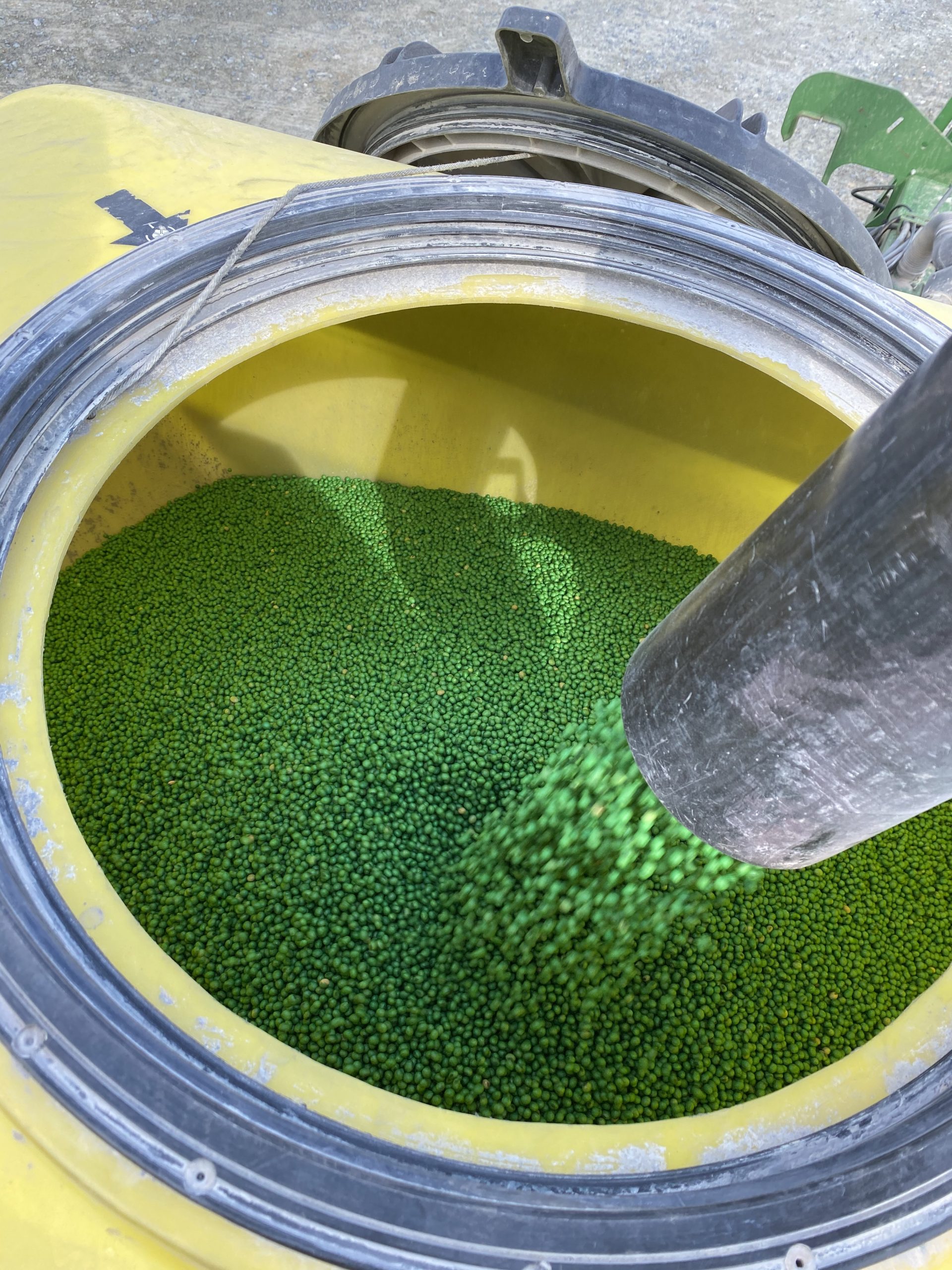
 Did you know that farmers protect their seeds from pests well before planting them? One tool Maryland farmers use is seed treatment — specifically, a class of products called neonicotinoids. While the name sounds complex, the concept is simple.
Jason Scott, a farmer in Dorchester County who grows corn, soybeans and small grains at Diamondback Farms, says, “Utilizing a neonicotinoid seed treatment is much like getting a vaccine. It is a preventative practice that cuts down on crop injury and the likelihood of replanting.”
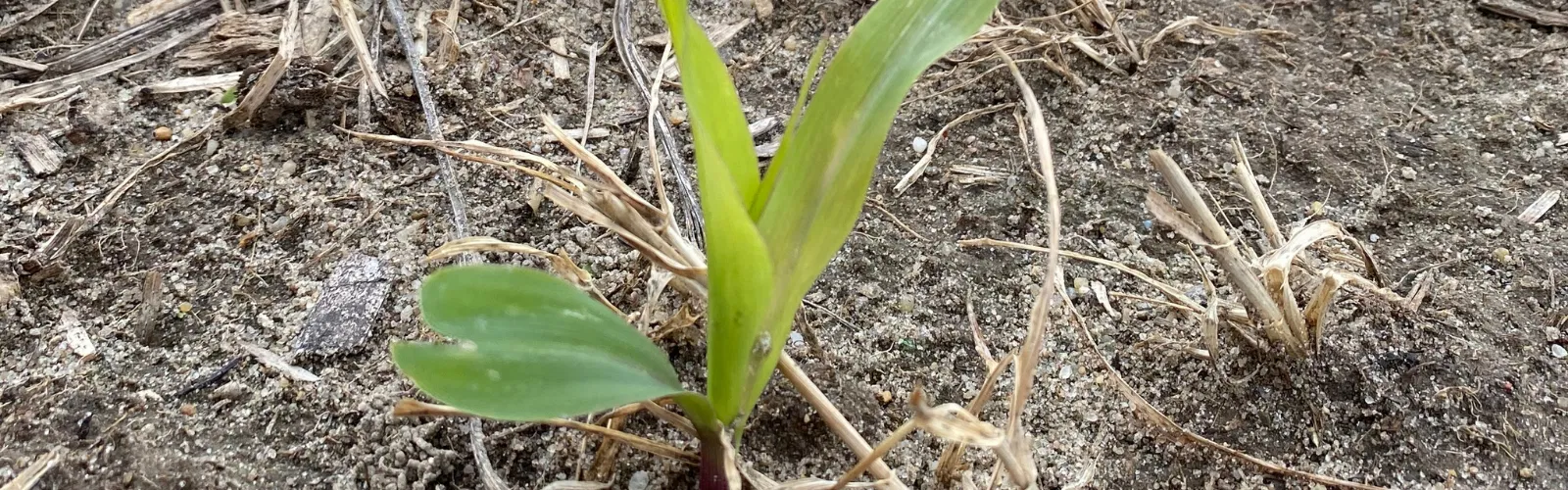
A coating on the seed itself creates protection before planting, shielding vulnerable seedlings from insect pests during their most critical growth stages during the first 10 to 30 days. Jason uses treated seeds on approximately 75% of his planted crop acres. The result is a healthy plant that emerges strong, lessening the need for more aggressive interventions later in the season.
Reducing the use of pesticides is one major benefit of seed treatments. Without these treatments, farmers would face increased pressure from insect pests, often requiring more frequent and widespread foliar pesticide applications. “In the event of insect feeding, we can use foliar pesticides, but they are expensive and are much more likely to impact pollinators and the surrounding environment,” Jason says. A foliar pesticide is a liquid insecticide, fungicide or herbicide applied directly to the leaves and stems of a plant, rather than to the soil.
Seed treatments are targeted. They stay on the seed and the immediate plant. On the other hand, foliar pesticides are more expensive and carry a higher risk to beneficial insects like bees. In addition, these treatments support conservation practices. For example, Jason plants over 1,200 acres of cover crops and uses no-till farming, keeping carbon in the ground and preventing soil erosion.
“Taking away our preventative measures would push people away from the conservation tillage that Maryland farmers lead the nation in,” Jason says. “Without these options, there could be more runoff and negative effects on the quality of water in the Chesapeake Bay because we would be forced into more tillage to combat insect pests.”
This issue also touches on the economic viability and seed choices of local farms. According to Jason, Maryland is a relatively small player in the national grain market, meaning that major seed companies are less likely to offer custom-treated or high-performing seed varieties just for this region if treated options were ever restricted.
“As a result, the availability of competitively priced seed options would go down, and I’d have to accept whatever untreated seed happens to be available,” Jason says. Without treated seed options, costs could increase, yields could reduce, seed choices would become limited, and both conservation practices and the overall sustainability that local farmers rely on would be challenged.
By understanding the role of seed treatments, consumers can better appreciate and advocate for farmers who steward it — one seed at a time.
Hungry for more? Read about protecting farmland.