


“Nutrition is chemistry and biology, agriculture is chemistry and biology,” Jennie says. “I now use my nutrition background applied to a different biological system — plants and soils, rather than humans.”
Jennie, who married into her husband’s family farm over 30 years ago, has now been a farmer longer than she ever practiced clinical dietetics. Today, she helps manage a diverse operation growing corn, soybeans, wheat, snap beans and wholesale wine grapes. While the crops are varied, her approach to growing them is singular: precision.
Her background in science drives the farm’s adoption of advanced technology. Just as a dietitian might prescribe a specific plan for a patient, Jennie uses precision agriculture to tailor treatments for her crops.
“Being able to variable-rate seed or apply fertilizer is a game changer for reducing inputs and being more prescriptive in our farming practices,” she says. This high-tech approach ensures that the land receives exactly what it needs — no more, no less — resulting in more sustainable produce for local consumers.
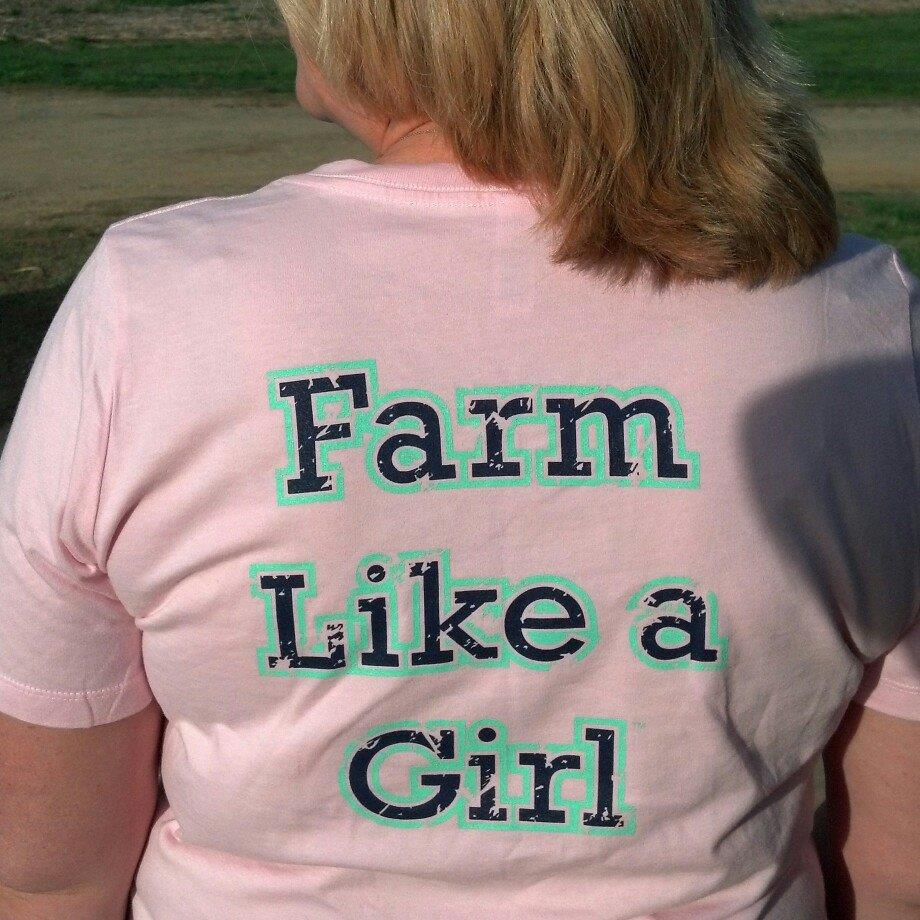
Transitioning from a female-dominated healthcare career to the male-dominated world of agriculture presented unique challenges. Jennie didn’t just want to be involved; she wanted to be self-sufficient. She taught herself to drive every piece of equipment and perform maintenance, often posing a critical question to mechanics and family members: “Is it girl-friendly?”
“My point is, can I, if I am by myself and on my own, loosen a bolt, lift something in place, do basic tasks and/or do I have the tools that make it self-sufficient?” Jennie says. “I don’t mind asking for help, but I also don’t want to be physically reliant on the guys for help if it’s something I can repair myself.”
To support this independence, she focuses on physical fitness and body mechanics, ensuring she has the strength to handle the demanding nature of farm work.
Jennie’s influence extends far beyond the fields of Sudlersville. Since the United Nations designated 2026 as the International Year of the Woman Farmer (IYWF), she has taken an active leadership role. She recently participated in a joint USDA and State Department program, traveling to Vietnam and Indonesia to connect with women farmers about technology.
For Jennie, the IYWF is about visibility, as globally, one in two women is a farmer. “The International Year of the Woman Farmer to me personally finally recognizes women who have been here all along, maybe in the background, holding the family farm together unrecognized,” she says.
Despite progress, she highlights that critical work remains. “I’d say women farmers are still challenged by access to land and access to credit. That may be more true for small holder farmers and outside of the U.S., but gender bias in the system still exists globally.”
Through her leadership, technical expertise and dedication to the land, Jennie is doing more than just growing crops; she is cultivating a path for the next generation of women in agriculture.
Hungry for more? Read about this farmer’s blooming business. Read another female farmer.
